Drain Cleaning
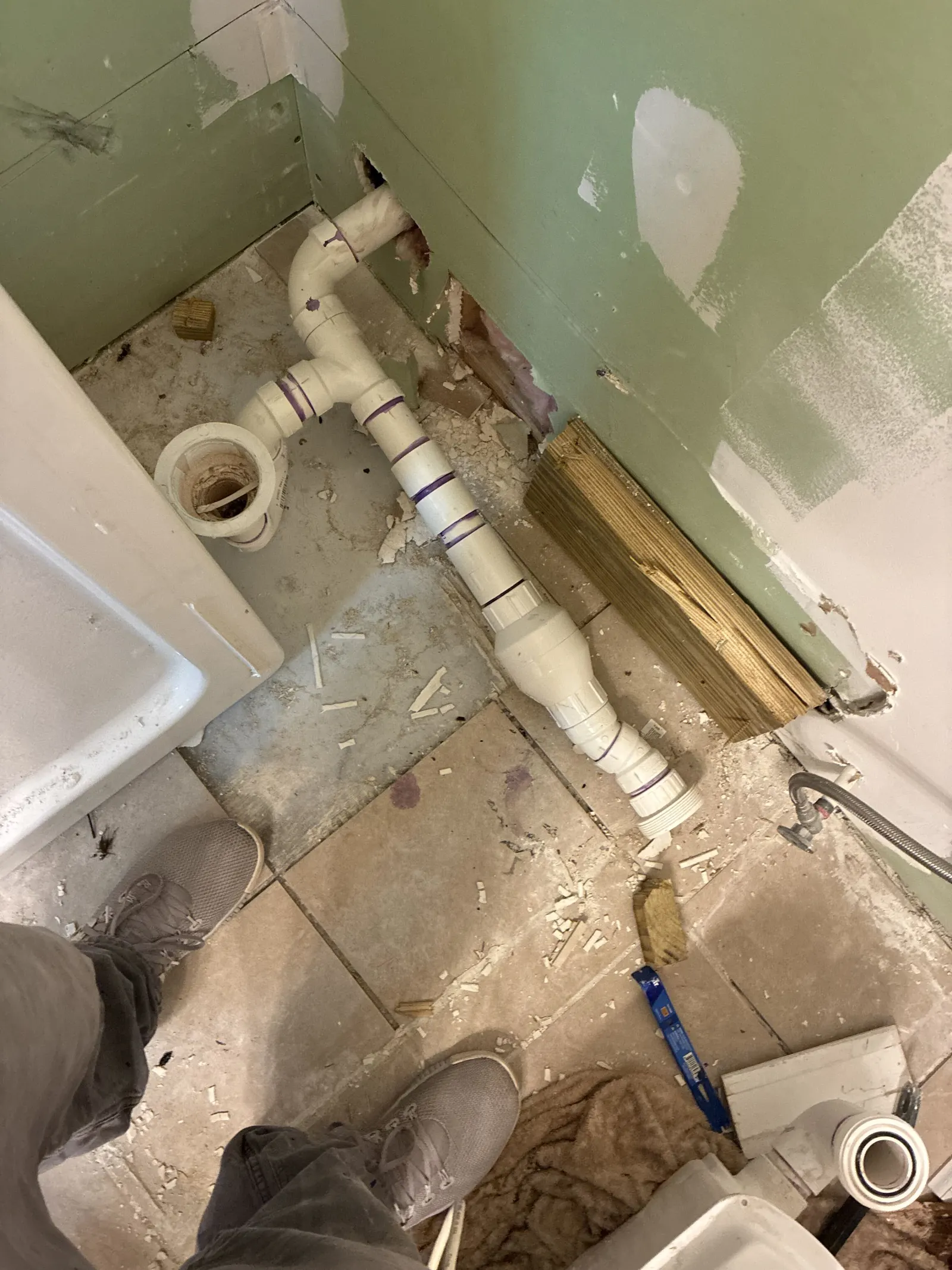
We clear clogged drains, toilets, tubs, kitchen lines and main lines with cable machines sized to the pipe. On septic homes we can tell you whether the clog is in the line or the tank is full.
Learn More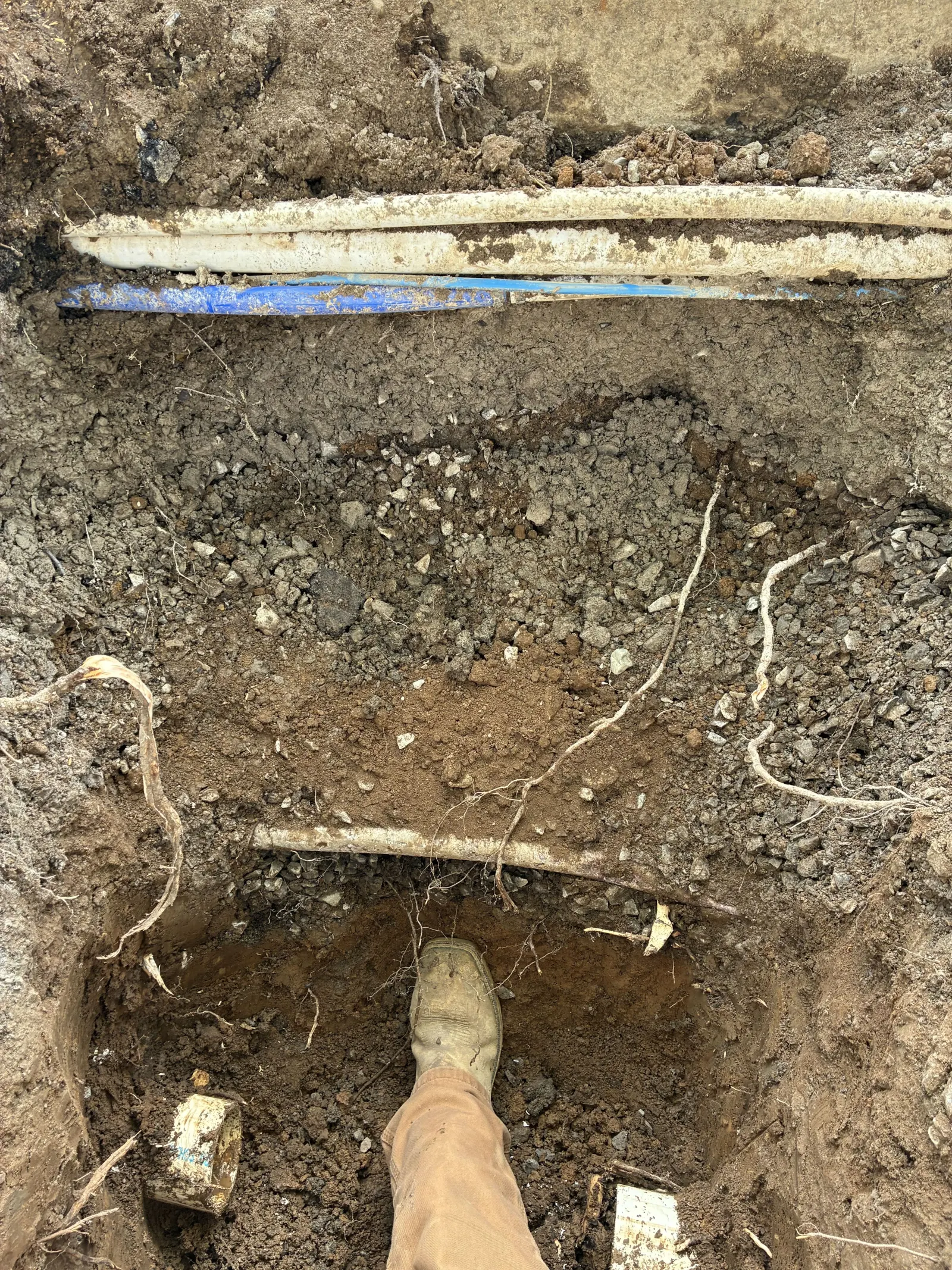
Hydro jetting clears a drain or sewer line with water instead of a blade. A hose with a jetting nozzle feeds into the line through a cleanout. Jets aimed backward pull the hose forward while the water scours the pipe wall. Grease, soap scale, sludge and silt wash out ahead of it.
We run hydro jetting across Greenbrier and the north side of the Nashville area. A cable opens a hole through a clog, and the coating on the pipe wall stays put. A line that keeps closing up after cable rooter work is the one that usually needs jetting. On old or unknown pipe we look at it with a camera before any water goes in.
Tell us what the septic or sewer is doing. We will get right back to you.
Water at pressure does what a spinning cable cannot. A cable bores a hole through the clog and leaves the rest of the debris in the pipe. Jetting washes the pipe wall down to bare pipe. Grease, soap scale, sludge, silt and small roots leave with the water.
The nozzle does the work. Most of its jets point backward, and that is what drives the hose up the line. A smaller jet points forward and cuts into the blockage. Residential jetting runs at 1,500 to 4,000 PSI, and we set it to the pipe in front of us.
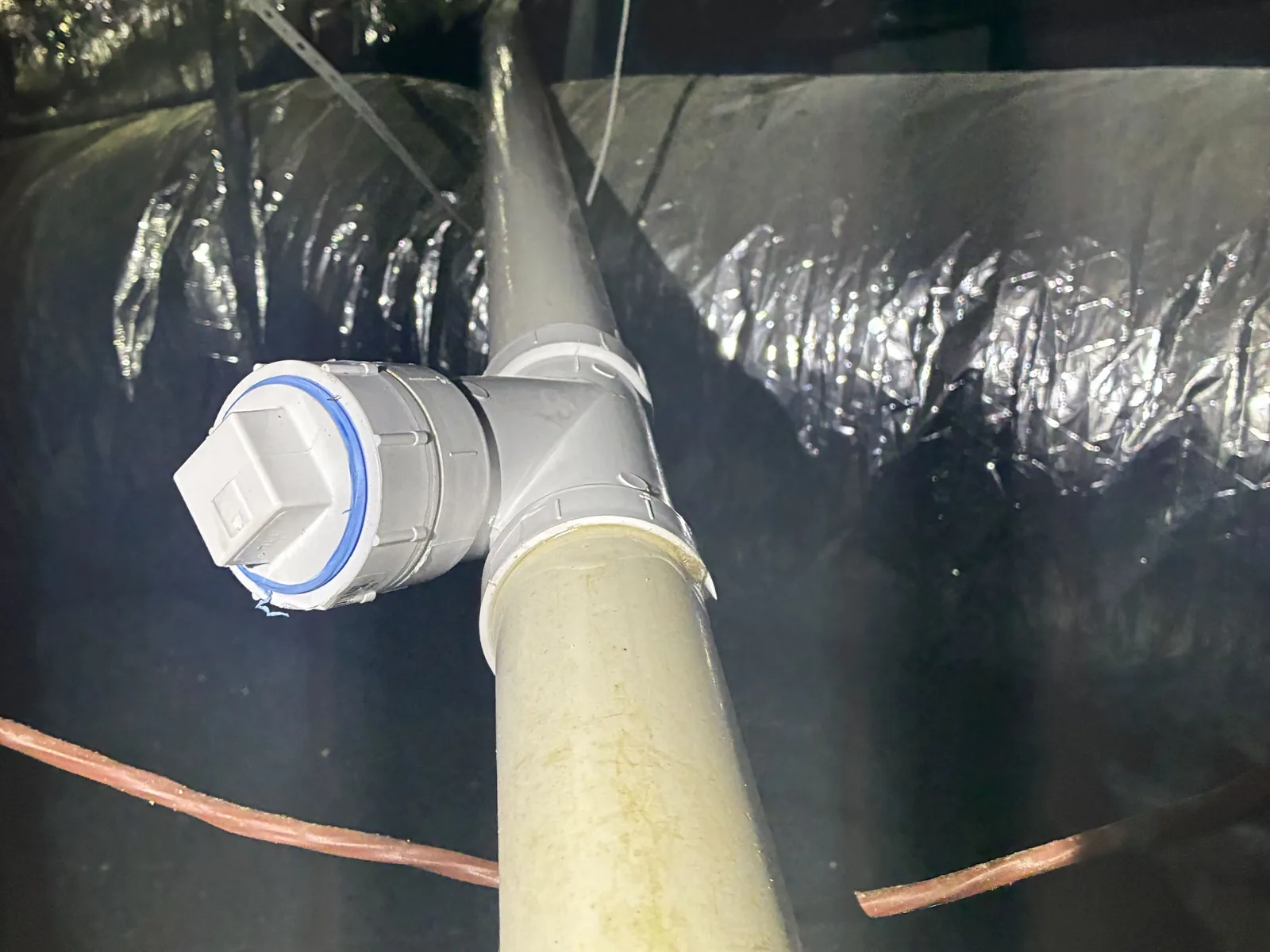
The hose has to get in somewhere. A cleanout in the yard or at the wall of the house is the usual way in. When a house has no cleanout, we can pull a toilet and go in at the flange. The toilet goes back on a new wax ring once the line is clear.
Some clogs come back on a schedule. A kitchen line that closes every few months has grease built up along the wall. A main line the cable has opened three times is telling you the same thing. A rental house or a commercial kitchen loads a line faster, so those come around sooner.
Old pipe changes the answer. Clay and Orangeburg lines can be damaged by high pressure water, while PVC and cast iron handle it. That is why we run a camera down the line first on pipe we have not seen. The video shows whether the line can take the water, and at what pressure.
A camera also finds the lines that water will not fix. A collapsed section, a belly that holds water, or a joint that has dropped needs pipe work. High pressure water in a line that is already failing can do more harm than good. Those jobs go to replacing that section of pipe, and our crew does its own excavation.
On septic, every drain in the house runs to the tank. We work from the cleanout toward the tank, so the debris moves the way water already flows. With the lid open we can see the inlet baffle and the level inside the tank. Our crew brings 20 years of septic and sewer experience to that look.
A slow drain on a septic home has two possible causes. If one fixture is slow, the branch line is the place to look. If every fixture slows at once, the tank is the first thing to check. A full tank backs the water up, and a septic tank pumping visit is the fix.
What keeps a jetted line open is what goes down it. The EPA tells septic homeowners never to pour cooking oil or grease down the drain. Grease goes down warm and hardens on the pipe wall as it cools. Wipes cause the same trouble, because they hold together instead of breaking apart.
Free, no-obligation estimates across the north side of the Nashville area.
(629) 285-6381From the first call or text to the finished property, here is how it goes.
Reach us at (629) 285-6381 and describe what the system is doing. Photos help, and you can text them to the same number.
We come out, open the lids and check the tank, the pump and the field. On a drain problem we check the lines instead.
We tell you what is wrong, what the fix involves and what it costs. The estimate is free, and you decide on your own timeline.
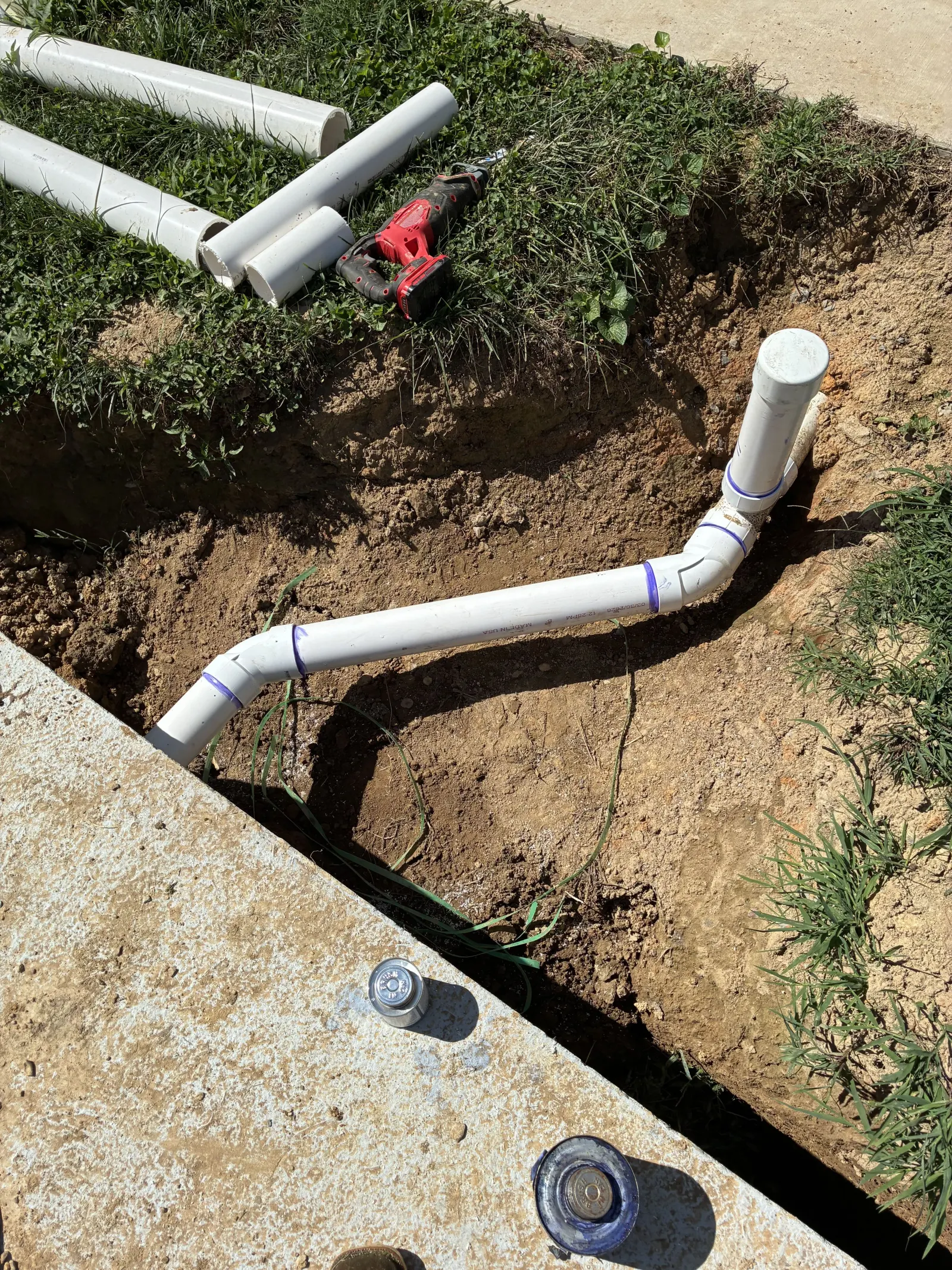
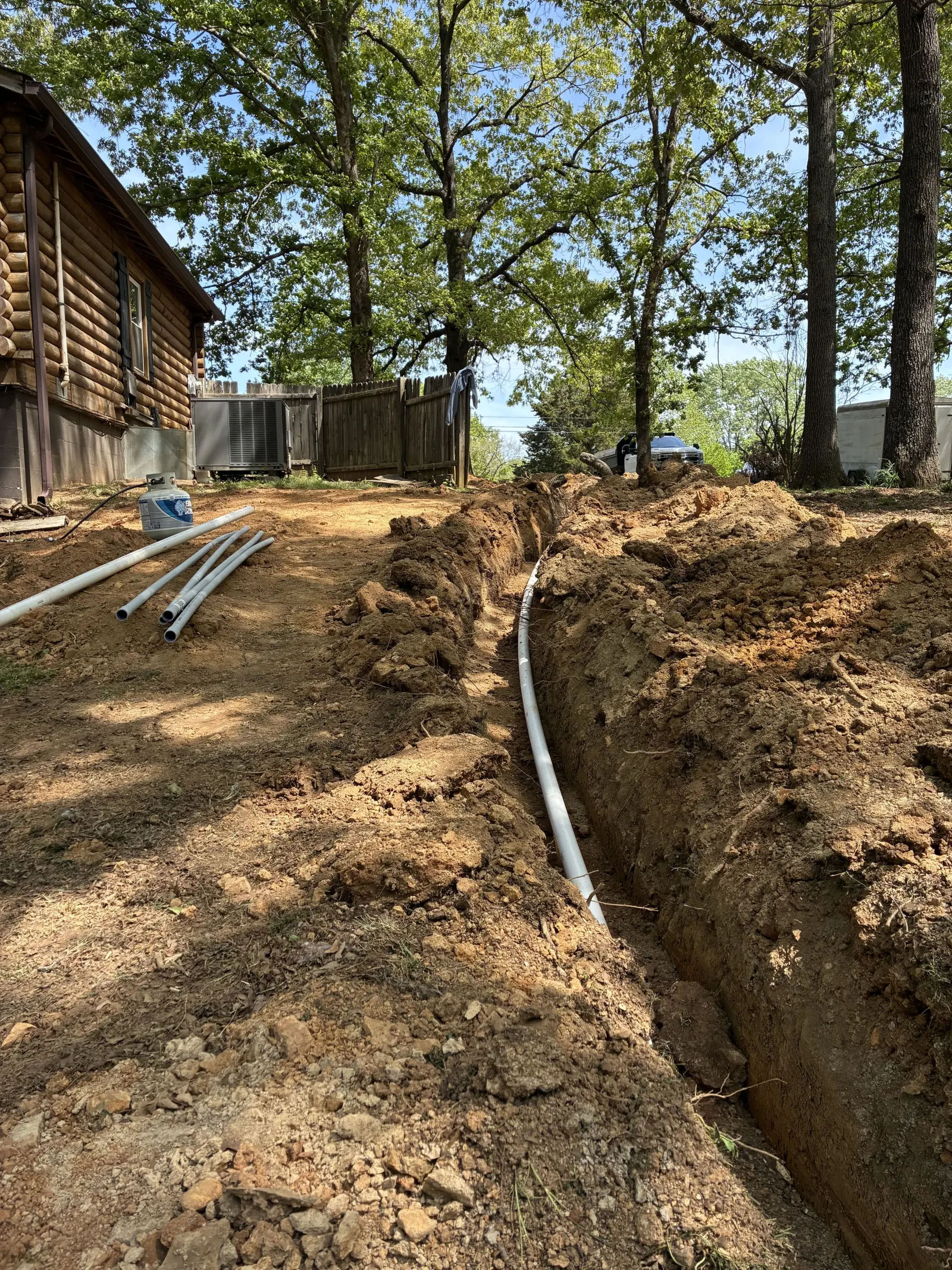
Our own machines dig the trench, set the tank and pull the old line. We backfill, grade the ground back and clean up the site.
Before we leave we show you what changed and where the lids and cleanouts sit. You get a plain description of what to watch from here.
Common questions about hydro jetting across the north side of the Nashville area. If yours is not here, call or text and ask.
We clear clogged drains, toilets, tubs, kitchen lines and main lines with cable machines sized to the pipe. On septic homes we can tell you whether the clog is in the line or the tank is full.
Learn More
We run a camera through your sewer or drain line and watch the video as it goes. That shows the break, the roots, the sag or the offset joint, and where it sits in the yard.
Learn More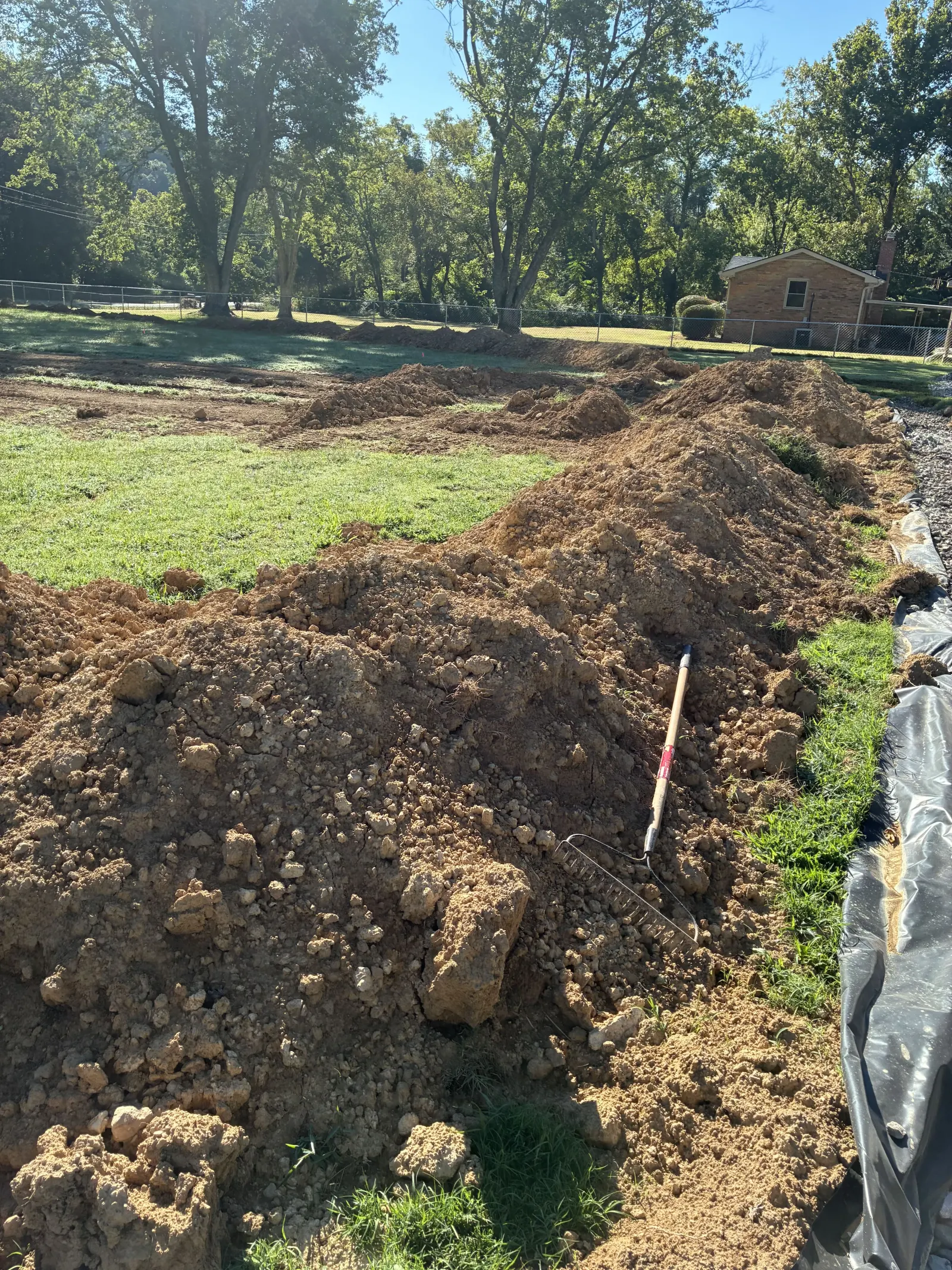
We repair and replace sewer lines between the house and the septic tank or the city main. When the line has to cross a road, our crew saws the asphalt and patches it back.
Learn MoreTanks, drain fields, pumps and sewer lines are what our crew works on every week. That work is the whole business.
We are licensed, insured and bonded. You can ask for that paperwork before we start, and we will send it.
We set new tanks and rebuild drain fields. We also clear clogged drains and replace sewer lines, so one call covers both.
We work out of Greenbrier and cover Robertson, Sumner, Cheatham, Davidson and Montgomery counties. Estimates in that area are free.
Sewer camera inspection cost in Tennessee: national guide ranges by access, line length and pipe material, plus add-ons and what home inspections skip.
Read more →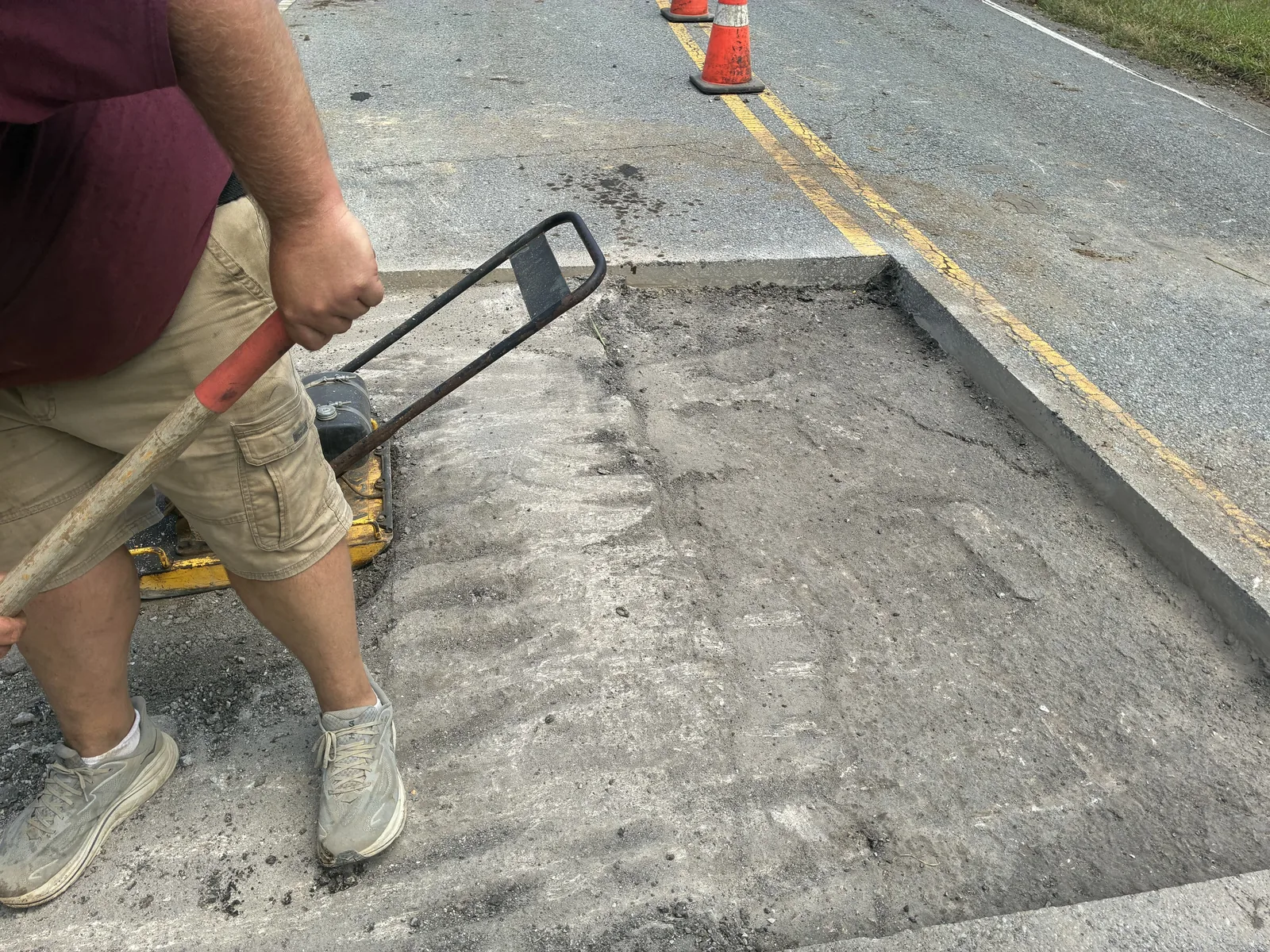
Sewer line replacement cost in Tennessee: national guide ranges by length and per foot, repair and add-on costs, and who pays for the line in Nashville.
Read more →Send the details here and we will get back to you. You can also call or text (629) 285-6381, and estimates are free.
Tell us what the septic or sewer is doing. We will get right back to you.