Septic Repair
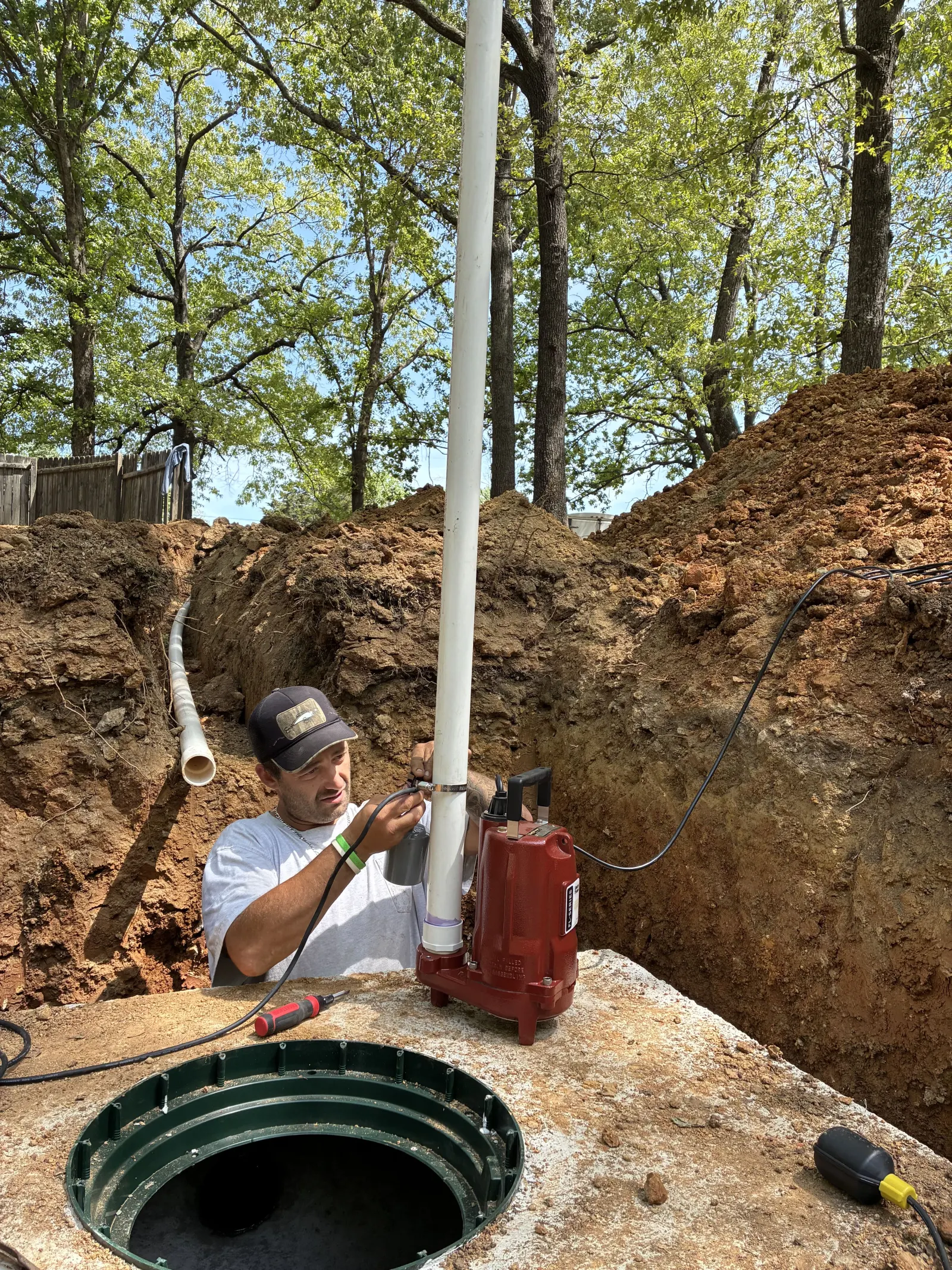
We repair what fails on an existing septic system: pumps, floats, alarms, baffles, lids and broken lines. Our crew finds the failed part first, then fixes it and puts the ground back.
Learn More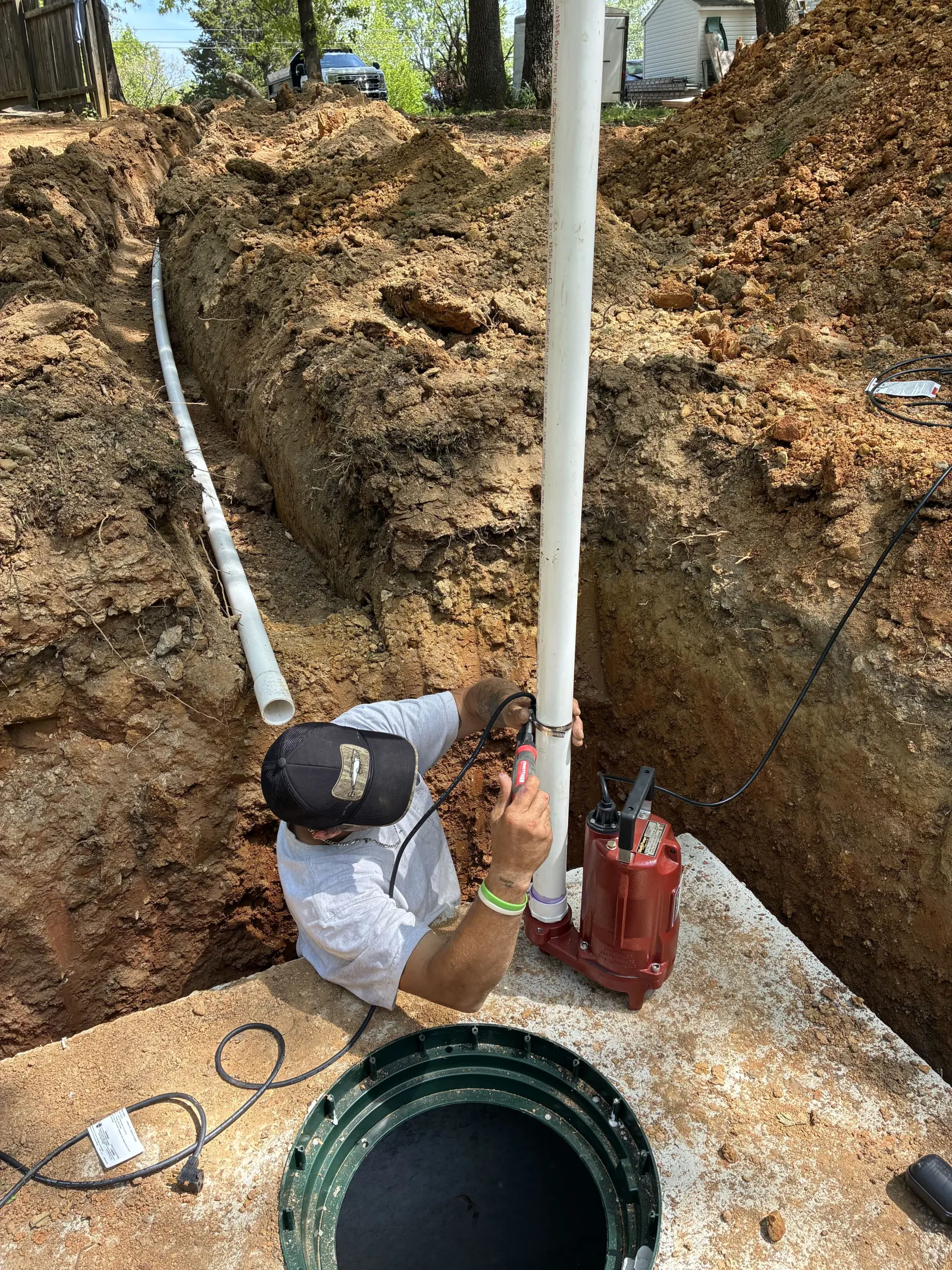
A septic tank riser is a short sleeve that sits on the access opening in your tank's top. It runs up to the ground, where a lid closes it off at grade. With a riser in place, the tank gets found and opened in a few minutes. Without one, every septic tank pumping starts with a probe and a shovel.
We are a septic and sewer contractor based in Greenbrier, Tennessee. Our crew brings 20 years of septic and sewer experience, and we are licensed, insured and bonded. We set risers and lids across the north side of the Nashville area, from Nashville up to Clarksville. Estimates are free, and you can call or text (629) 285-6381.
Tell us what the septic or sewer is doing. We will get right back to you.
On plenty of older systems the tank was set, covered over, and left that way. The access openings sit under sod with no marker above them. Around here the wet season runs November through May. A lid buried in March means digging in mud. A riser turns that dig into the lift of one lid.
Risers make the routine work easy. The EPA says a household septic system should be inspected at least every three years. It says tanks are typically pumped every three to five years. University extension guidance is to run risers from the tank's access ports up to the soil surface. Once they reach the surface, a check does not disturb the yard.
A riser also gives a working space over the parts that need service. A pump chamber holds a pump, floats and wiring, and all of it comes up for repair someday. Tennessee's rules cover the dosing chamber, the tank that holds the pump. The access riser there must be at least 24 inches across and reach finished grade or above. Pump, float and alarm work is septic system repair, and a riser shortens every visit.
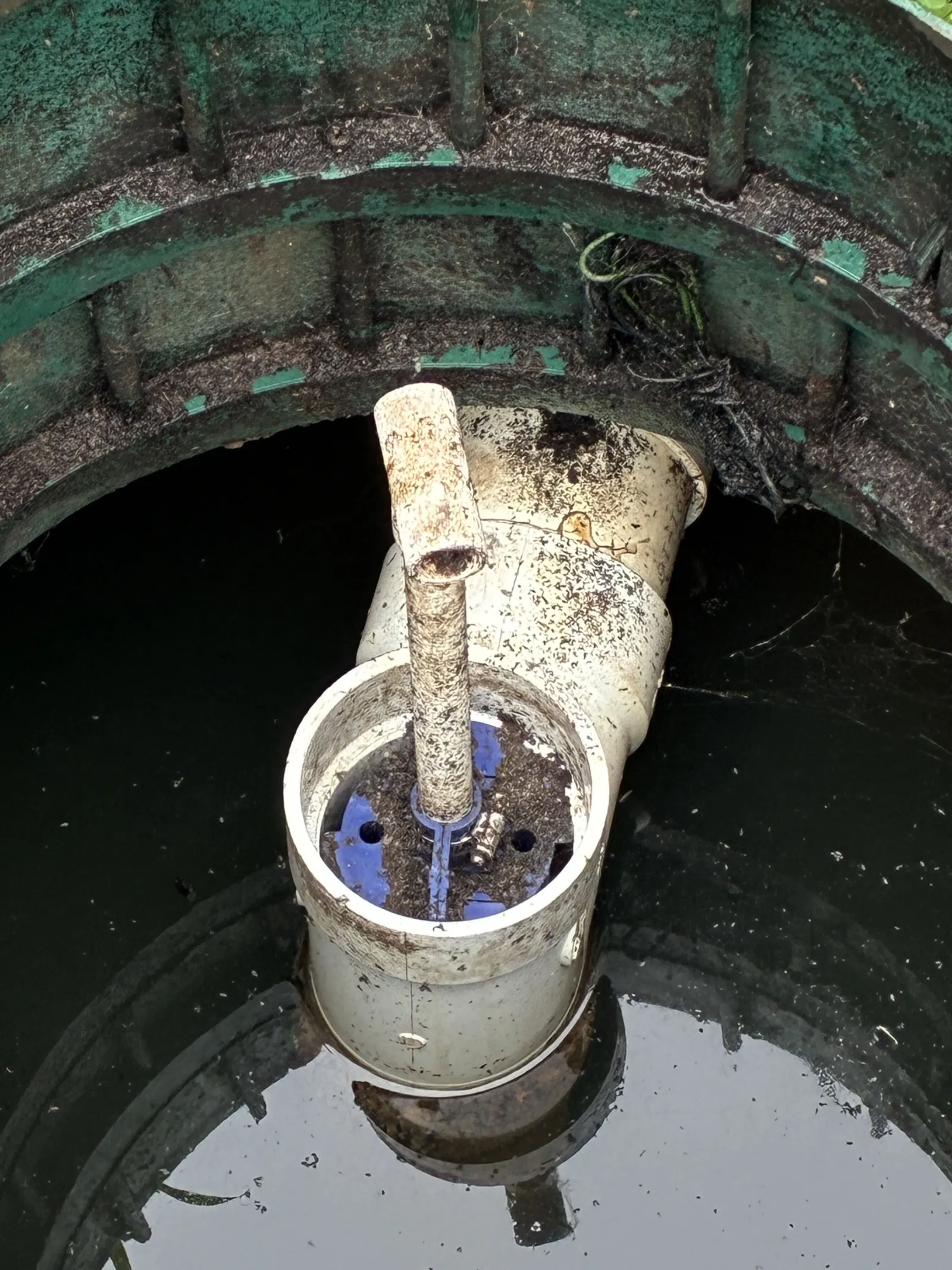
Lids give out long before tanks do. Concrete lids crack across the middle, and the rebar handle rusts out of them. Steel lids on older tanks rust thin, and one step can put a foot through. A broken lid also lets dirt and surface water down into the tank.
A bad lid is a safety problem first. State health agencies tell owners to inspect lids routinely and to repair or replace every damaged or missing part. They also say to secure lids with bolts, screws or other locks. We take out the failed lid and set one that seals and fastens down at grade.
Children and pets are the reason those warnings exist. Health agencies report that people fall into septic tanks, and a child's death is what prompted the guidance. Public health and university sources both say children should stay off tank lids and risers. Keep everyone clear of a tank with a broken lid until it is replaced.
We start by locating the tank and clearing the access openings. Tennessee keeps septic records, and the state's public record search can turn up the permit for an existing system. Then we measure from the tank top to finished grade. That measurement sets how many riser sections the tank needs.
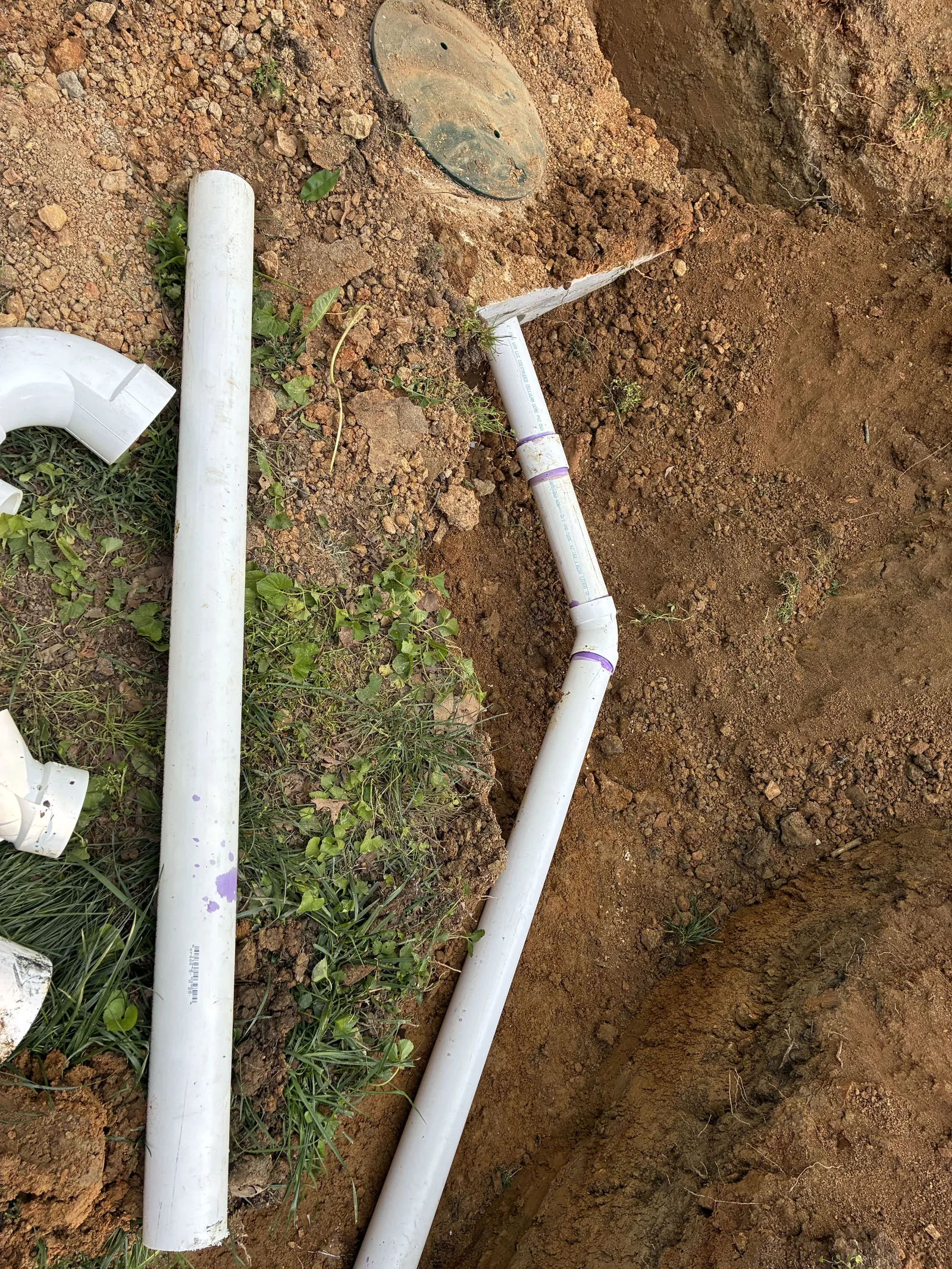
The riser is fitted over the opening and sealed to the tank top. County health guidance is that risers be sealed to the tank completely, since a gap lets ground water in. State rules for pump chambers call for a riser and cover that are watertight and structurally sound. We bring the riser to grade, set the lid, backfill, and clean the ground back up.
The cheapest time to set a riser is while the tank is already open. Kits are sold to homeowners, and some people fit them on their own. The seal at the tank top is where those jobs go wrong. So are the height cut and a lid that will not fasten. We set risers during a pumping, during a repair, and on every new septic tank we install.
Free, no-obligation estimates across the north side of the Nashville area.
(629) 285-6381From the first call or text to the finished property, here is how it goes.
Reach us at (629) 285-6381 and describe what the system is doing. Photos help, and you can text them to the same number.
We come out, open the lids and check the tank, the pump and the field. On a drain problem we check the lines instead.
We tell you what is wrong, what the fix involves and what it costs. The estimate is free, and you decide on your own timeline.
Our own machines dig the trench, set the tank and pull the old line. We backfill, grade the ground back and clean up the site.
Before we leave we show you what changed and where the lids and cleanouts sit. You get a plain description of what to watch from here.
Common questions about risers and lids across the north side of the Nashville area. If yours is not here, call or text and ask.
We repair what fails on an existing septic system: pumps, floats, alarms, baffles, lids and broken lines. Our crew finds the failed part first, then fixes it and puts the ground back.
Learn More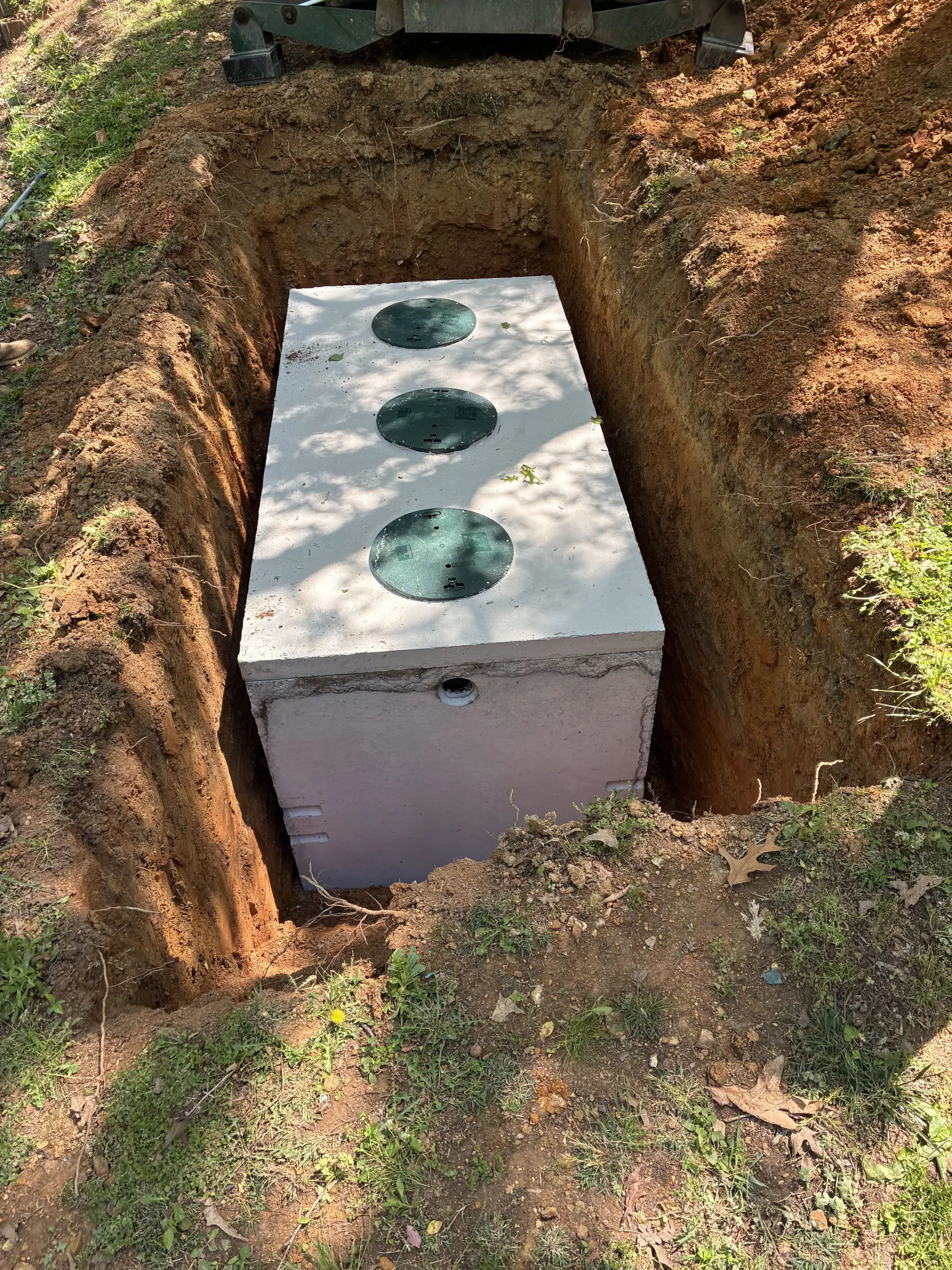
We pump and clean septic tanks around Greenbrier and the north side of the Nashville area. While the lid is off, we check the tank and tell you what we see.
Learn More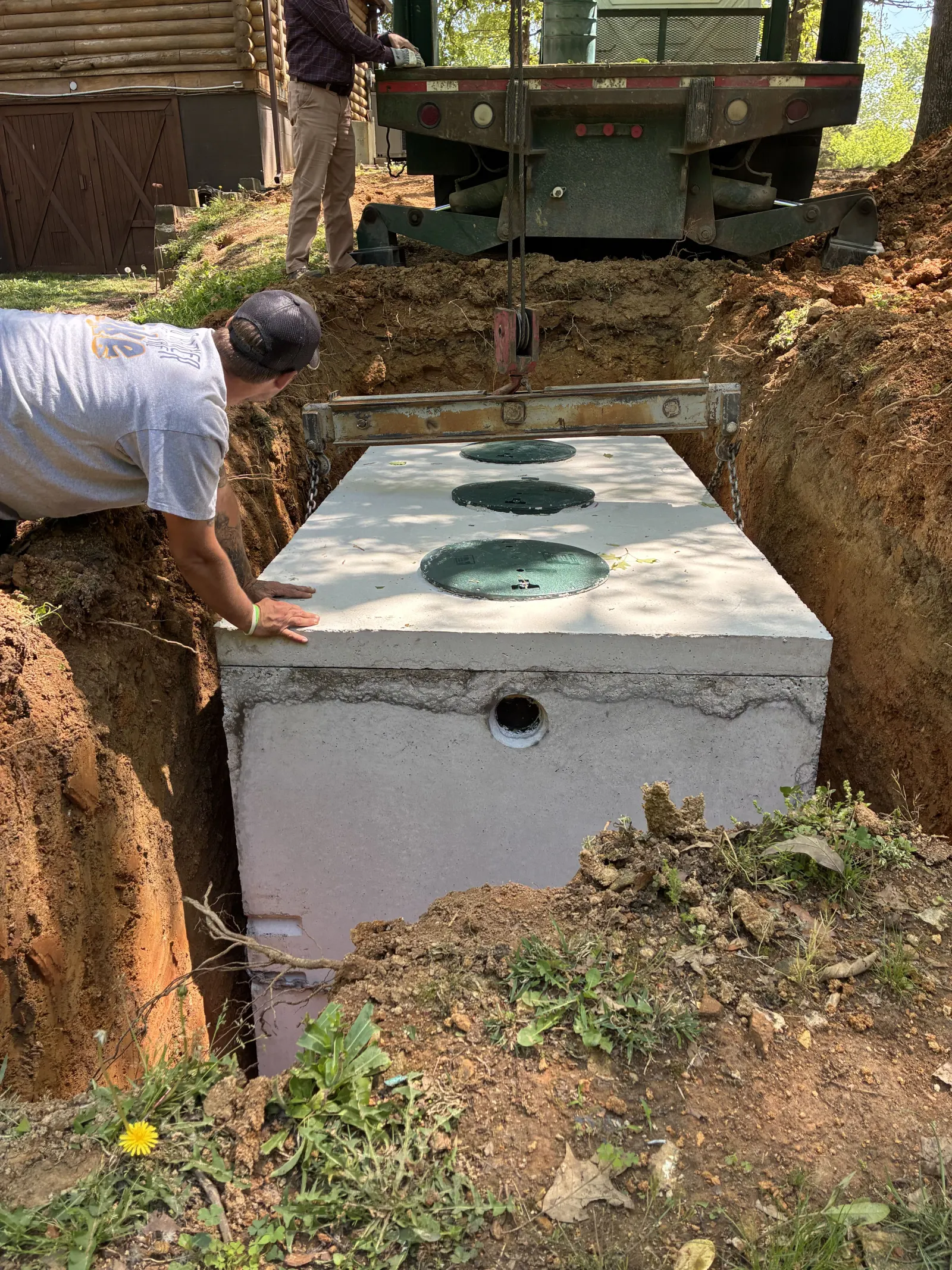
New septic systems for new builds and replacement tanks when an old one gives out. We dig with our own equipment, set the precast concrete tank, plumb it, and tie it into the drain field.
Learn MoreTanks, drain fields, pumps and sewer lines are what our crew works on every week. That work is the whole business.
We are licensed, insured and bonded. You can ask for that paperwork before we start, and we will send it.
We set new tanks and rebuild drain fields. We also clear clogged drains and replace sewer lines, so one call covers both.
We work out of Greenbrier and cover Robertson, Sumner, Cheatham, Davidson and Montgomery counties. Estimates in that area are free.
Send the details here and we will get back to you. You can also call or text (629) 285-6381, and estimates are free.
Tell us what the septic or sewer is doing. We will get right back to you.